Floor Load Capacity Calculator
Calculate Structural Requirements
Compare floor load requirements between residential and commercial buildings based on the article's specifications.
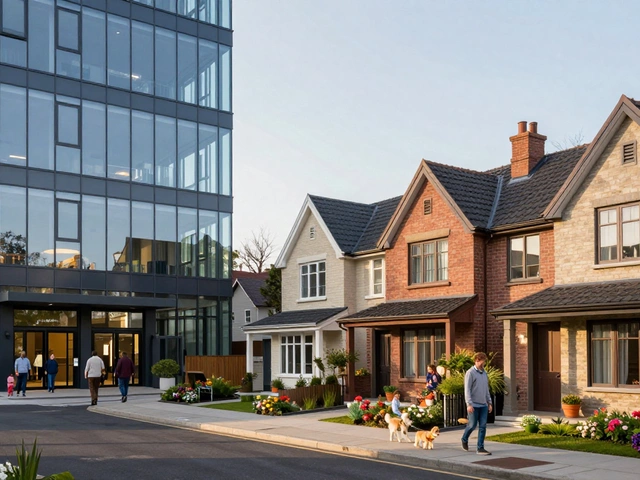
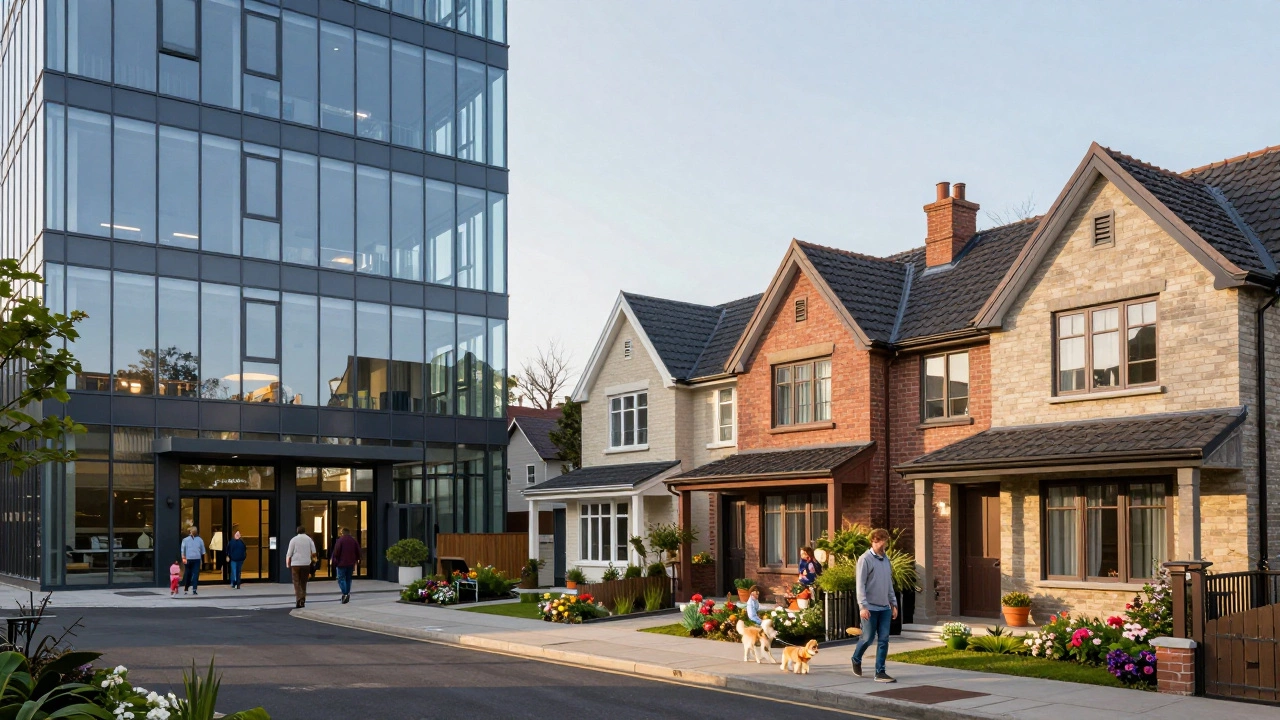
Ever walk past a sleek glass office tower and then turn the corner to a row of cozy houses and wonder why they feel so different? It’s not just about looks. Commercial and residential buildings are built for completely different purposes, and that changes everything-from the materials used to the rules they have to follow.
Purpose Drives Design
Residential buildings are made for people to live in. That means comfort, privacy, and safety for small groups-usually one or two families per unit. Think three-bedroom homes, apartments with kitchens and living rooms, and townhouses with backyards. The focus is on creating spaces where people sleep, eat, and relax over long periods.
Commercial buildings? They’re made for business. That could be an office where 200 people work every day, a grocery store that handles 500 customers an hour, or a warehouse that stores thousands of pallets. These spaces are designed for efficiency, traffic flow, and durability under heavy use. You won’t find a couch in a retail store’s backroom, but you’ll find forklift ramps and loading docks.
The difference starts with the people using them. One is for living. The other is for working, selling, or serving.
Building Codes Are Not the Same
Every building has to follow local codes, but the rules for commercial and residential structures are worlds apart. Residential codes, like the International Residential Code (IRC), focus on things like minimum room sizes, stair step heights, and fire escape routes for a few occupants.
Commercial buildings follow the International Building Code (IBC), which is far more complex. Why? Because they serve more people, often at once. A single commercial building might need:
- Multiple exits spaced no more than 75 feet apart
- Fire-rated walls that hold flames for two or three hours
- Automatic sprinkler systems throughout
- ADA-compliant ramps, doors, and restrooms
- Emergency lighting and signage that stays on during power outages
Residential buildings don’t need all that. A single-family home might only need one exit, no sprinklers, and a standard-width door. But if you tried to turn that home into a restaurant without upgrading to commercial code, you’d be breaking the law-and risking lives.
Structural Load and Materials
Think about weight. A residential home might have 20 people in it during a birthday party. A commercial building like a gym or theater might have 500 people standing, sitting, or moving around at once. That’s a huge difference in live load.
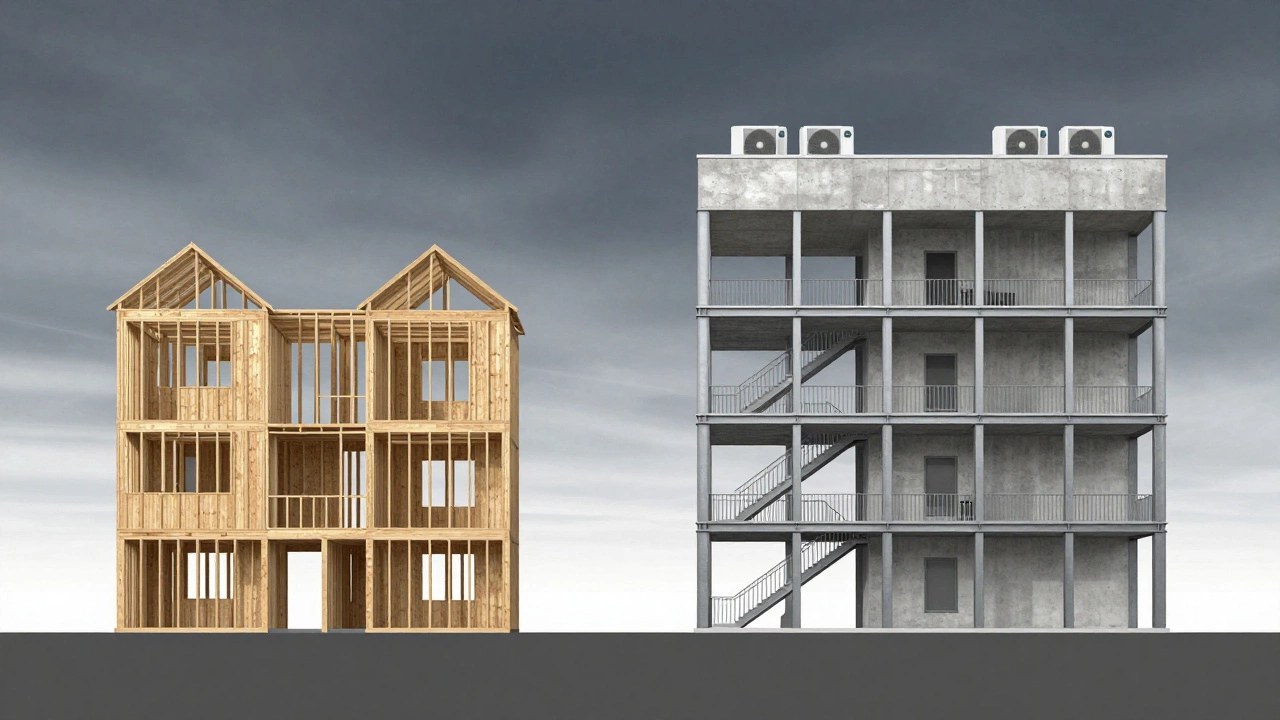
Commercial floors are built with heavier steel beams, thicker concrete slabs, and stronger columns. A warehouse floor might support 150 pounds per square foot. A typical home floor is designed for just 40 pounds per square foot. Put a few pallets of inventory in a house and you could crack the slab.
Materials reflect this too. Residential walls are often wood frame with drywall. Commercial buildings use steel frames, concrete block, or reinforced masonry. You’ll see more exposed ductwork, HVAC units on the roof, and utility conduits running along ceilings-not hidden behind pretty finishes.
Utilities and Systems
Residential buildings have one or two water heaters, a single furnace, and a modest electrical panel. Commercial buildings? They need industrial-grade systems.
A small office building might have:
- Three or four separate HVAC zones for different floors
- A chiller system instead of a furnace
- 1,000-amp electrical service instead of 200-amp
- Backup generators for critical operations
- High-capacity plumbing lines to handle dozens of toilets and sinks
And it’s not just size-it’s uptime. A home’s furnace can break for a day. A hospital, data center, or grocery store can’t afford downtime. That’s why commercial systems are built with redundancy, remote monitoring, and strict maintenance schedules.
Design and Aesthetics
Residential design leans toward warmth. Wood trim, soft lighting, carpeting, and personal touches make a house feel like home. Even apartment buildings often use neutral tones and simple finishes to appeal to renters.
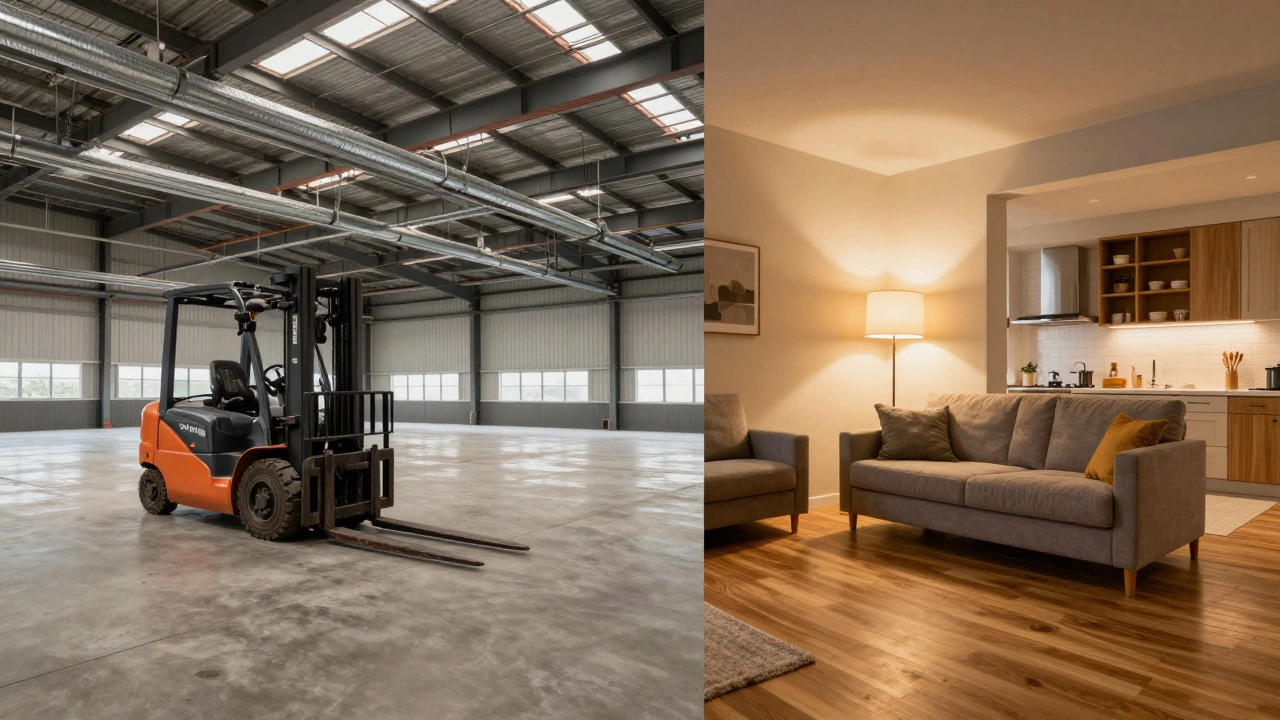
Commercial design is about branding, function, and durability. Retail spaces use bright lighting to highlight products. Office lobbies might have marble floors and glass walls to project professionalism. Warehouse interiors are bare-bones: concrete floors, high ceilings, and minimal decoration. You don’t design a commercial space to be cozy-you design it to work.
Even the windows are different. Residential windows are sized for views and natural light. Commercial buildings often use curtain walls-large panels of glass and aluminum that cover entire facades. They’re cheaper to install on a large scale and let in more daylight, which reduces lighting costs.
Cost and Construction Time
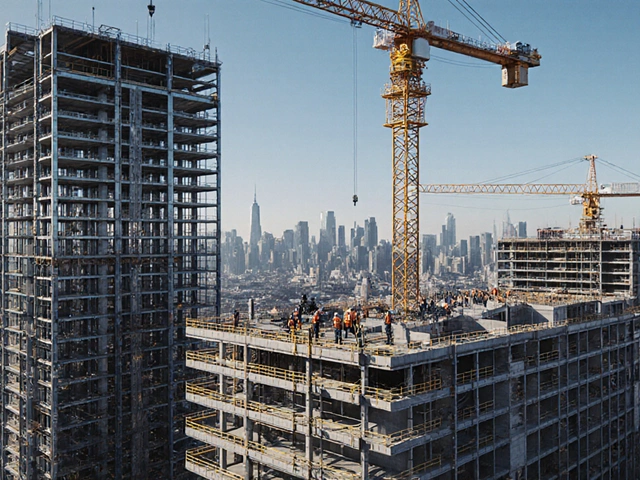
Building a house might take four to six months. Building a commercial structure? Six months is just the start. A small retail center could take a year. A 10-story office tower? Two to three years.
Why the delay? More permits, more inspections, more coordination. Commercial projects involve architects, structural engineers, mechanical engineers, fire safety consultants, and accessibility experts-all signing off before construction even begins.
Costs reflect that. A typical single-family home in Halifax might cost $500,000 to $700,000. A 5,000-square-foot retail space? Easily $1.5 million to $2.5 million. That’s not just because it’s bigger-it’s because of the systems, materials, and labor required to meet commercial standards.
Who Can Build What?
Not every contractor can build both. Residential builders are skilled in framing, finishing, and working with homeowners. Commercial builders know how to manage large crews, coordinate with multiple trades, and handle heavy equipment.
Many commercial projects require licensed contractors with specific certifications. In Nova Scotia, for example, you need a Class 1 or Class 2 contractor’s license to work on buildings over three stories or over 600 square meters. That’s a legal barrier-not just a preference.
Trying to use a home builder for a commercial project? You’ll run into permitting issues, insurance problems, and code violations. The same goes for a commercial contractor trying to build a custom home-they might not even know how to install a proper fireplace or layout a kitchen for daily family use.
What Happens When You Mix Them Up?
Some people try to convert a residential building into a commercial space-like turning a garage into a coffee shop or a basement into a daycare. That’s possible, but it’s not a simple renovation.
You’ll need to upgrade:
- Electrical service to handle commercial equipment
- Plumbing for more fixtures
- Fire exits and alarms
- Insulation and HVAC for higher occupancy
- Accessibility features like ramps and wider doors
And you’ll need permits. A lot of them. Skipping this? You’re not just risking fines-you’re risking fires, collapses, or lawsuits if someone gets hurt.
The reverse is also true. You can’t just turn a vacant office into a family home without stripping out the commercial systems and rebuilding for comfort. HVAC units aren’t quiet enough. Lighting is too harsh. Restrooms are too far apart. The space feels impersonal and cold.
Final Thought: It’s Not About Size-It’s About Use
A small commercial building can be smaller than a large home. A big apartment complex can hold more people than a small office. But size doesn’t define the difference. Use does.
Commercial buildings are engineered for heavy traffic, long hours, and public safety. Residential buildings are built for comfort, privacy, and everyday living.
Understanding that helps you make smarter decisions-whether you’re buying property, renovating, or just curious why your local bank looks nothing like your neighbor’s house.
Can a residential building be used for commercial purposes?
It depends on zoning laws and building codes. Some residential zones allow home-based businesses like daycare or consulting, but only if they meet strict limits on traffic, noise, and signage. Turning a house into a restaurant or retail store almost always requires a change of use permit, structural upgrades, and compliance with commercial codes. Without those, it’s illegal and unsafe.
Why do commercial buildings have higher insurance costs?
Commercial buildings face higher risks: more people, more equipment, longer hours, and greater liability. A fire in a retail store can damage inventory, hurt customers, and shut down operations for weeks. Residential insurance covers personal property and liability for a few occupants. Commercial policies cover business interruption, third-party injuries, and specialized equipment-making premiums significantly higher.
Do commercial buildings require more maintenance?
Yes. With 24/7 operation, heavy foot traffic, and complex systems like chillers, elevators, and fire alarms, commercial buildings need scheduled inspections, repairs, and upgrades. A residential home might need a new roof every 20 years. A commercial roof might need inspections every six months and replacement every 10-15 years due to constant exposure and mechanical wear.
Can you convert a commercial building into a home?
Yes, but it’s expensive. You’ll need to replace industrial HVAC with residential units, add insulation for comfort, install proper kitchen and bathroom layouts, and meet residential fire and egress codes. Many old warehouses and offices in cities like Halifax have been converted into lofts, but the cost often equals or exceeds building new.
Which type of building is easier to finance?
Residential buildings are easier. Mortgages for homes have lower down payments, longer terms (up to 30 years), and more lenders. Commercial loans require larger down payments (20-30%), shorter terms (5-20 years), and personal guarantees. Lenders see commercial properties as riskier because income depends on tenants and market demand.