Category: Commercial Construction - Page 2
Civil Construction vs Commercial Construction: Key Differences Explained
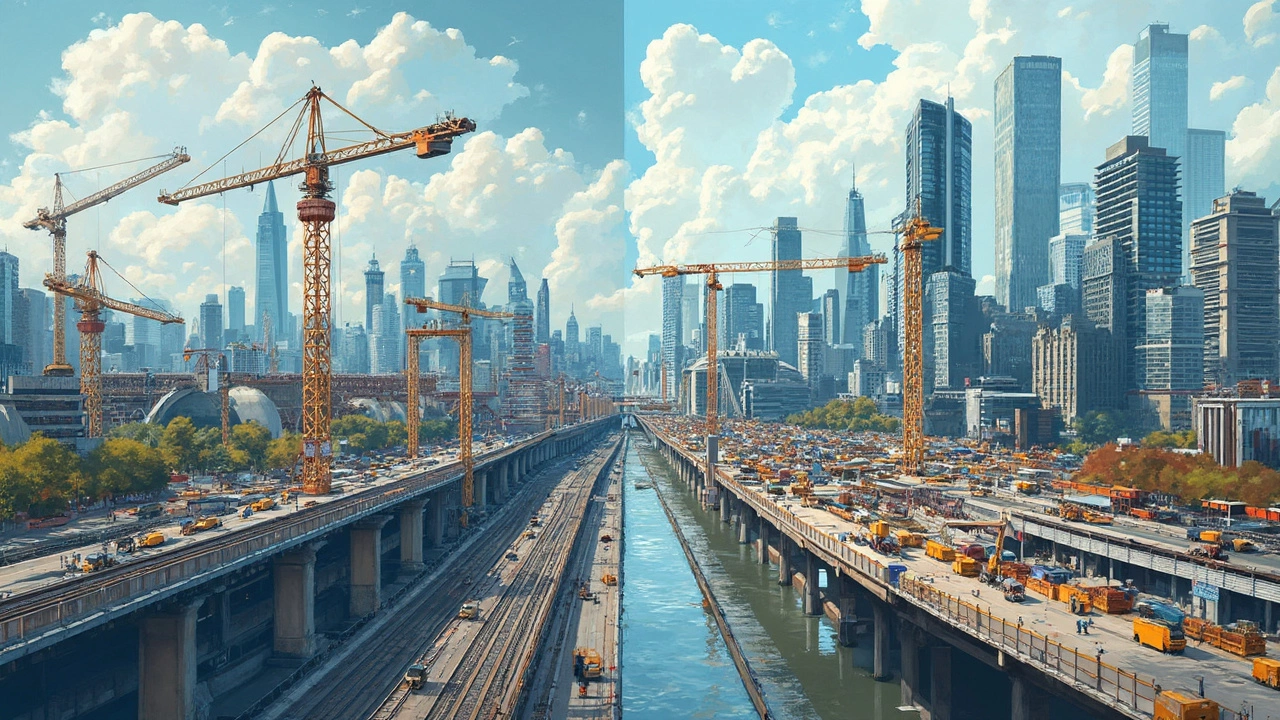
Civil construction and commercial construction might sound pretty similar if you don't work in the field, but they're actually quite different in what they build, who uses them, and how those projects get managed. This article breaks down exactly what sets the two apart, showing the kind of jobs each involves and what you should watch out for if you're thinking about a project. You'll learn about the scale, regulations, budgets, and even some surprising fun facts about how cities and businesses get built. Whether you're hiring a contractor or just want to sound smart at your next house party, this guide gives you the details in plain English. Expect clear tips and real-world insight—no jargon.
read moreCommercial License Meaning in Commercial Construction: What You Need to Know
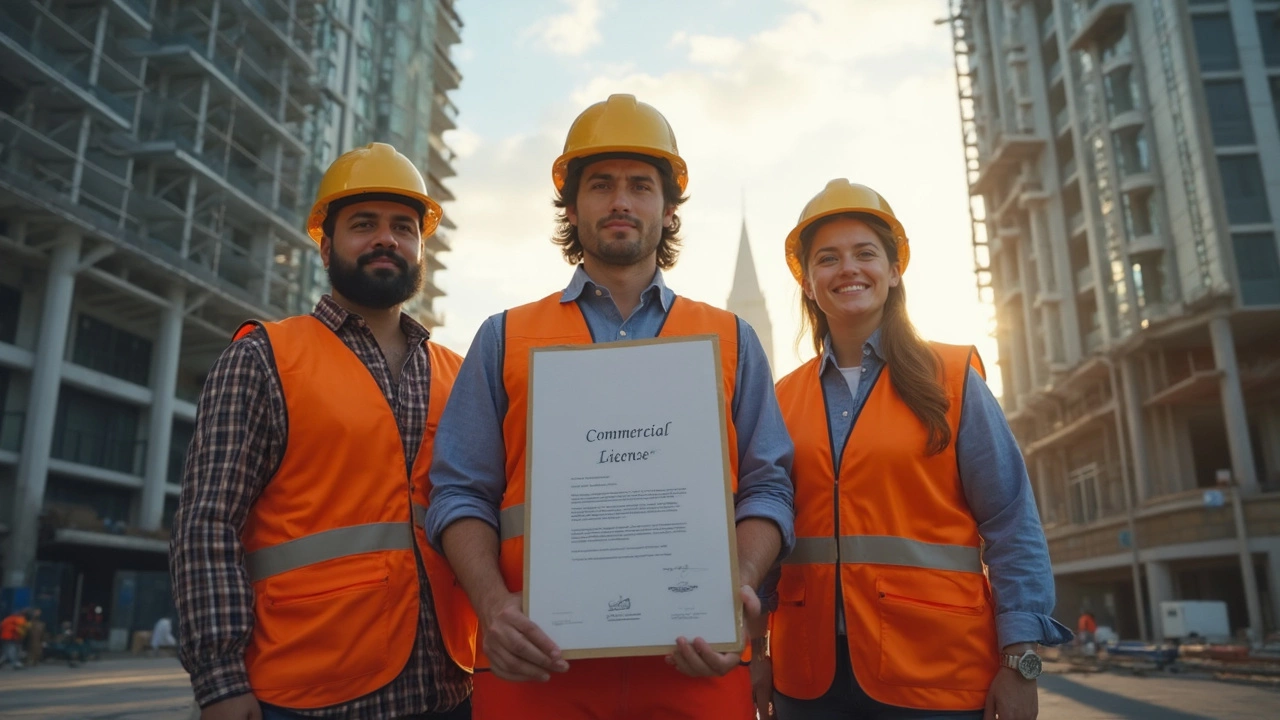
A commercial license in construction isn’t just a piece of paper—it’s your ticket to legally work on commercial projects like office buildings, warehouses, and shopping centers. This article explains what a commercial license means, who needs it, and the real risks of building without one. You’ll also get tips on how to navigate the licensing process and avoid common headaches in commercial construction. If you want to win projects or avoid fines and delays, you’ll want to understand what’s required and what’s at stake. Get real examples, practical insights, and straight talk on commercial licenses.
read moreUnderstanding the Federal Definition of 'Commercial' in Construction
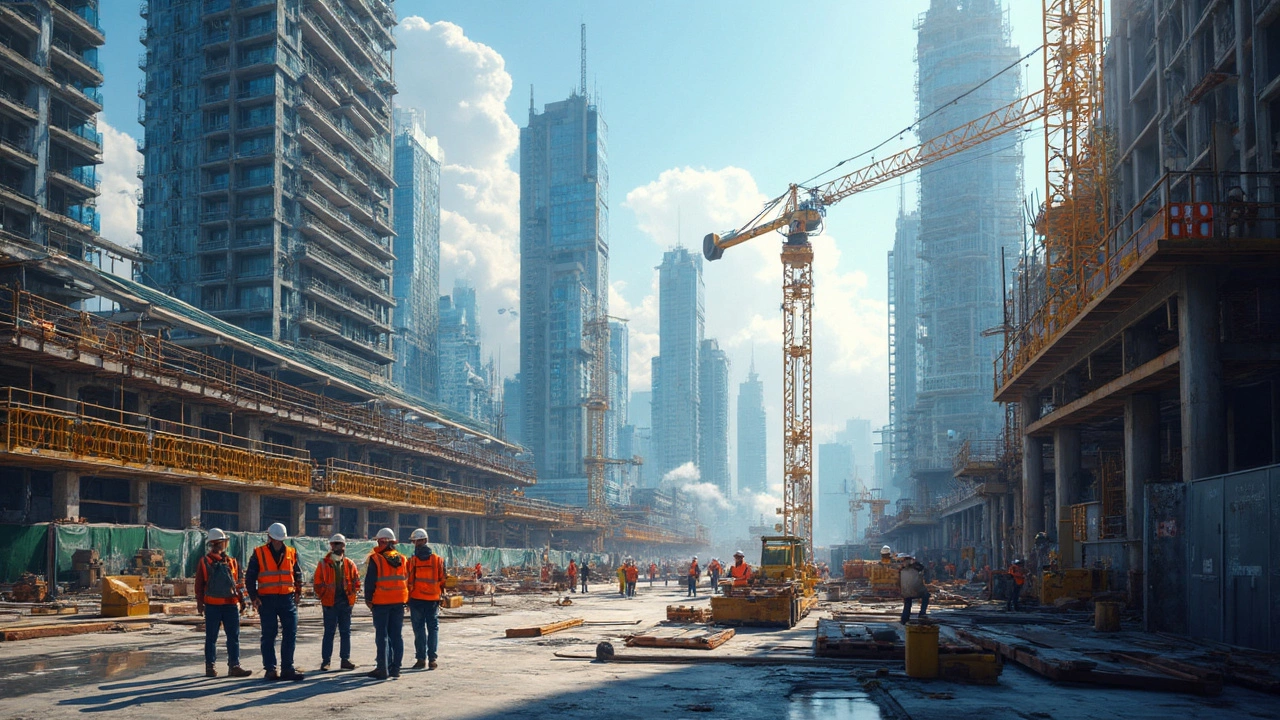
Explore what the federal government means by 'commercial' in the realm of construction. This article helps you navigate the guidelines shaping commercial projects and highlights differences from residential construction. Learn about the key attributes and criteria used in federal codes. This insight is crucial for developers, builders, and anyone curious about the nuances of commercial construction in today's landscape.
read moreUnderstanding Commercial Construction Coverage
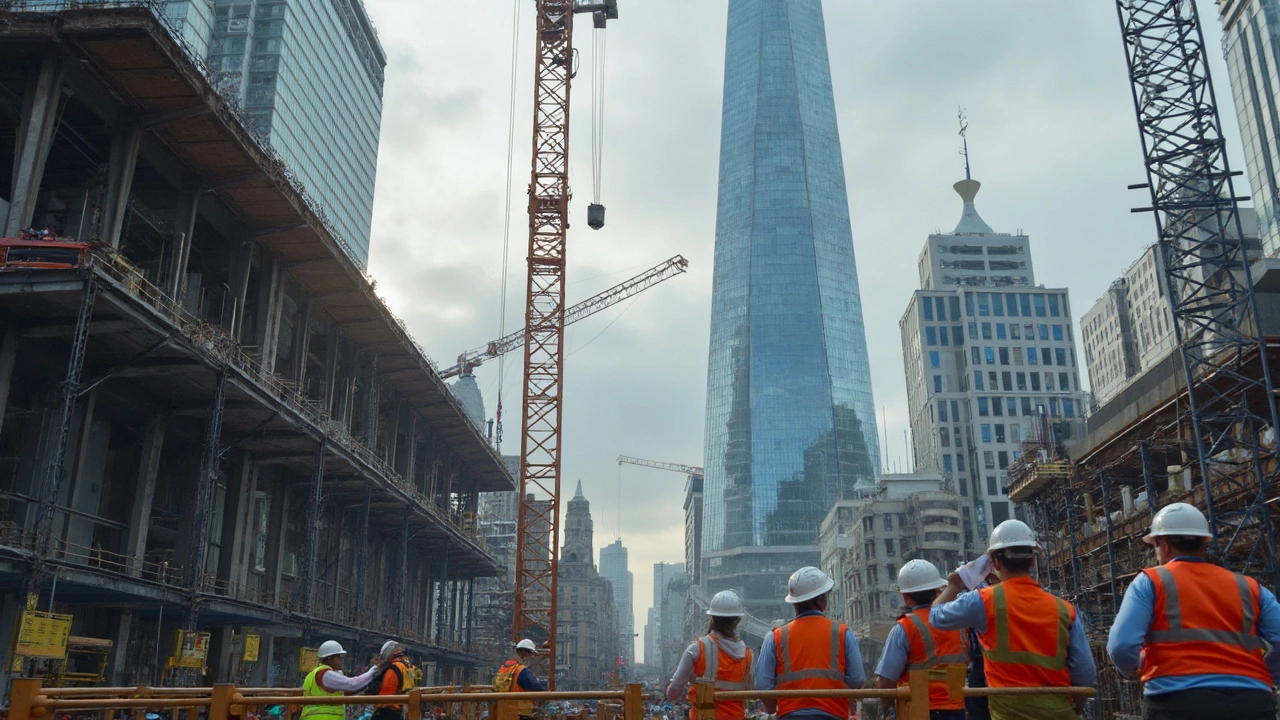
Commercial construction involves more than just putting up a building; it includes a variety of legal, financial, and safety considerations. Understanding what's covered under commercial construction is crucial for developers, contractors, and investors. This article breaks down the key elements of commercial construction coverage, from property protection to liability insurance. We also share tips to ensure you have comprehensive coverage for your next project.
read moreUnderstanding the Differences: Commercial vs. Non-Commercial Construction
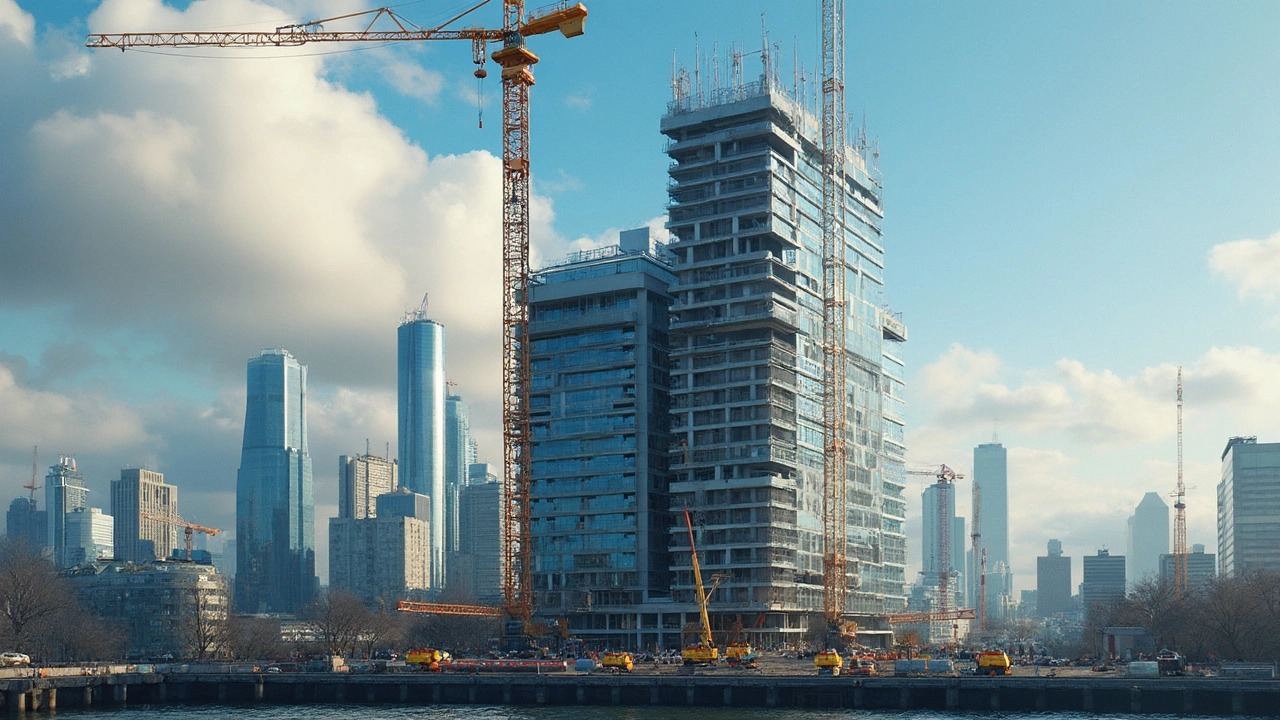
Commercial and non-commercial construction projects might seem similar at first glance, but they cater to different needs and have distinct characteristics. Commercial construction usually focuses on projects like office buildings, malls, or hotels, aiming for profit. Non-commercial projects are often public works or residential homes prioritizing community benefits. Knowing the unique aspects of each helps stakeholders make informed decisions.
read moreFire-Resistant Construction Materials: What Keeps Flames at Bay

When it comes to commercial buildings, choosing the right construction materials is crucial for safety and durability. Fire-resistant materials play a key role in protecting structures from devastating damage. This article explores various types of construction materials, examining their fire-resistant properties. Learn which options are best suited for enhancing safety in commercial buildings.
read moreDistinguishing Civil and Commercial Construction: An In-depth Guide
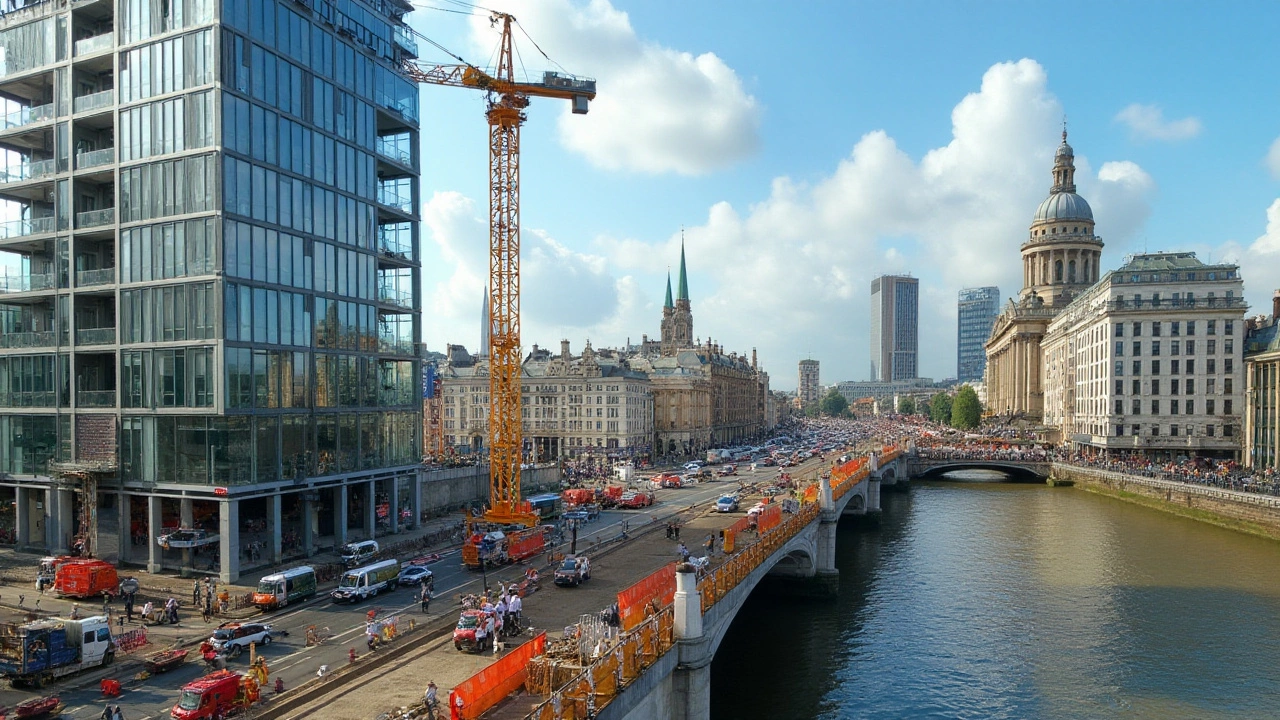
Civil and commercial construction differ in purpose, scale, and materials. Civil projects focus on public infrastructure like roads and bridges, while commercial work targets business developments. Understanding these differences helps in selecting the right team for construction needs and impacts budgeting and project timelines. With insights into these two sectors, individuals and businesses can make informed decisions.
read moreDefining Commercial Use in Construction Projects
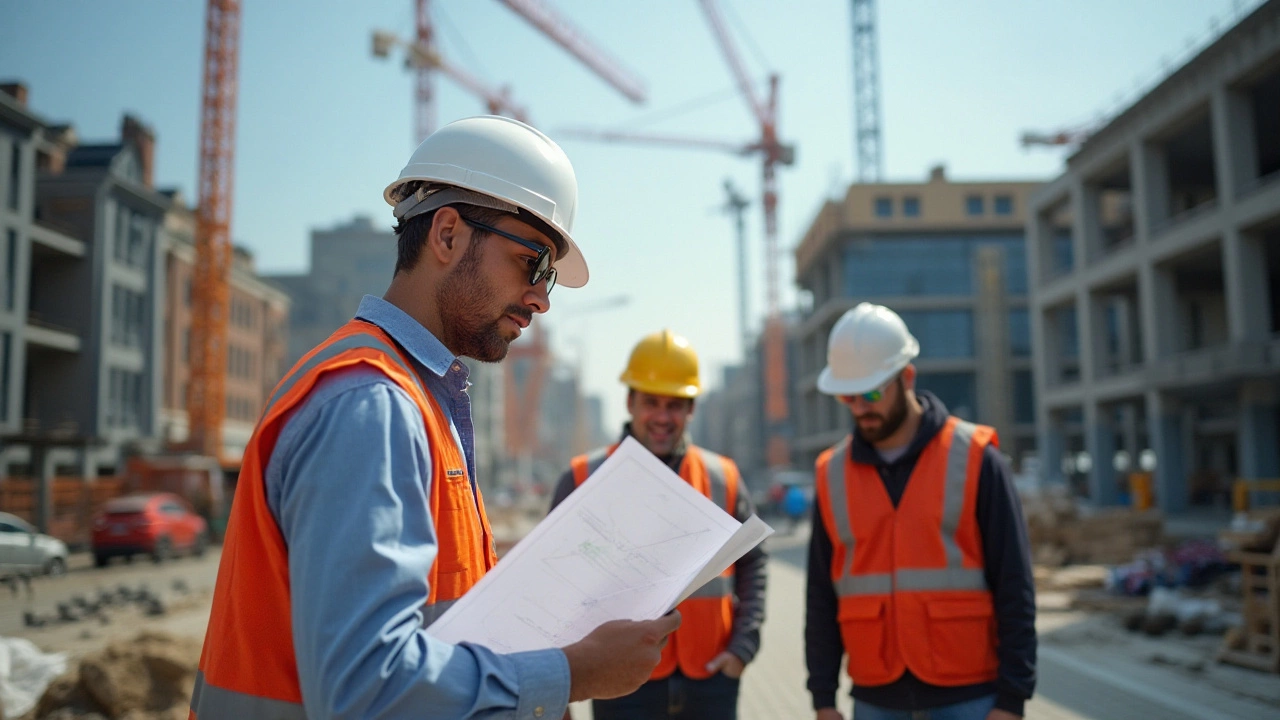
The concept of 'commercial use' in construction is pivotal for understanding how spaces are developed and operated. From legal specifications to practical implications, it influences planning, design, and the execution of construction projects. This article explores the numerous components that define commercial use, providing insights into zoning regulations, building codes, and their applications in various sectors. By the end, readers will gain a comprehensive understanding of how commercial use shapes the construction landscape.
read moreComprehensive Guide to Commercial Building Construction
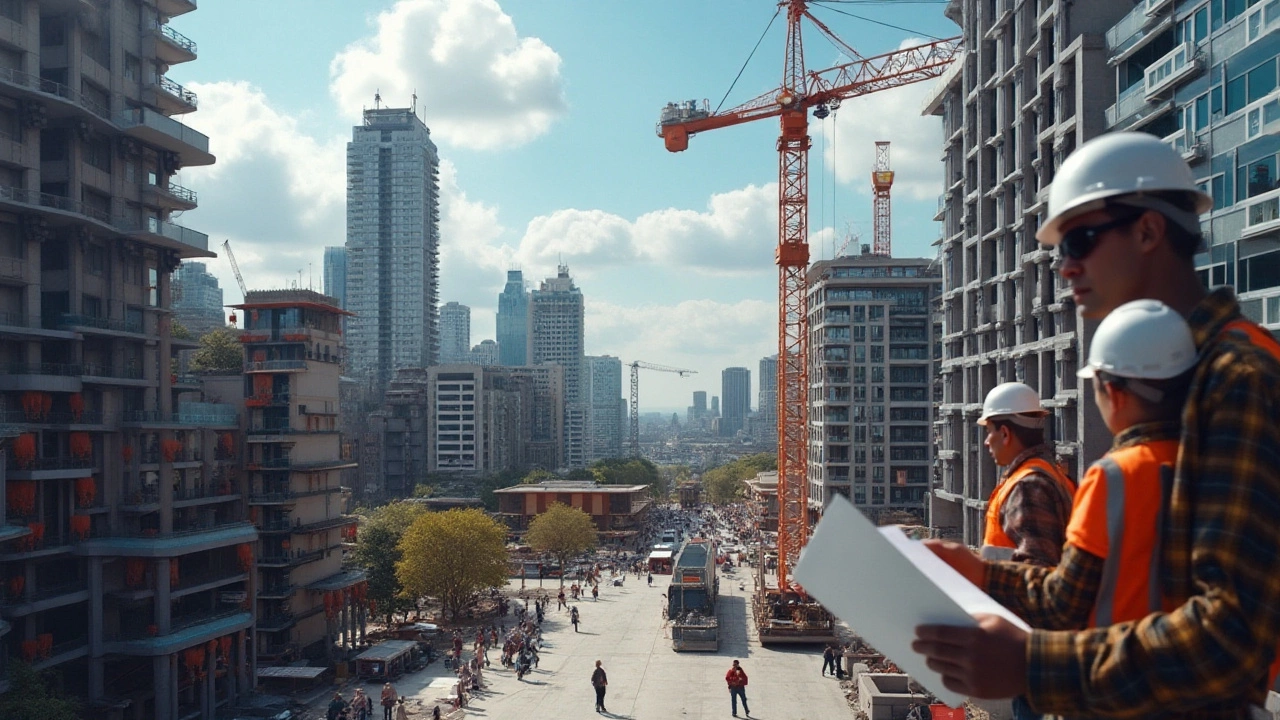
A commercial building is designed for business operations such as offices, retail stores, warehouses, and restaurants. This article explores the intricacies of commercial construction, highlighting factors like design, regulations, and project management. By understanding these elements, stakeholders can ensure their projects meet functional and aesthetic goals. Essential tips and industry insights are also discussed for informed decision-making in commercial construction projects.
read moreUnderstanding the Key Differences Between Civil and Commercial Construction
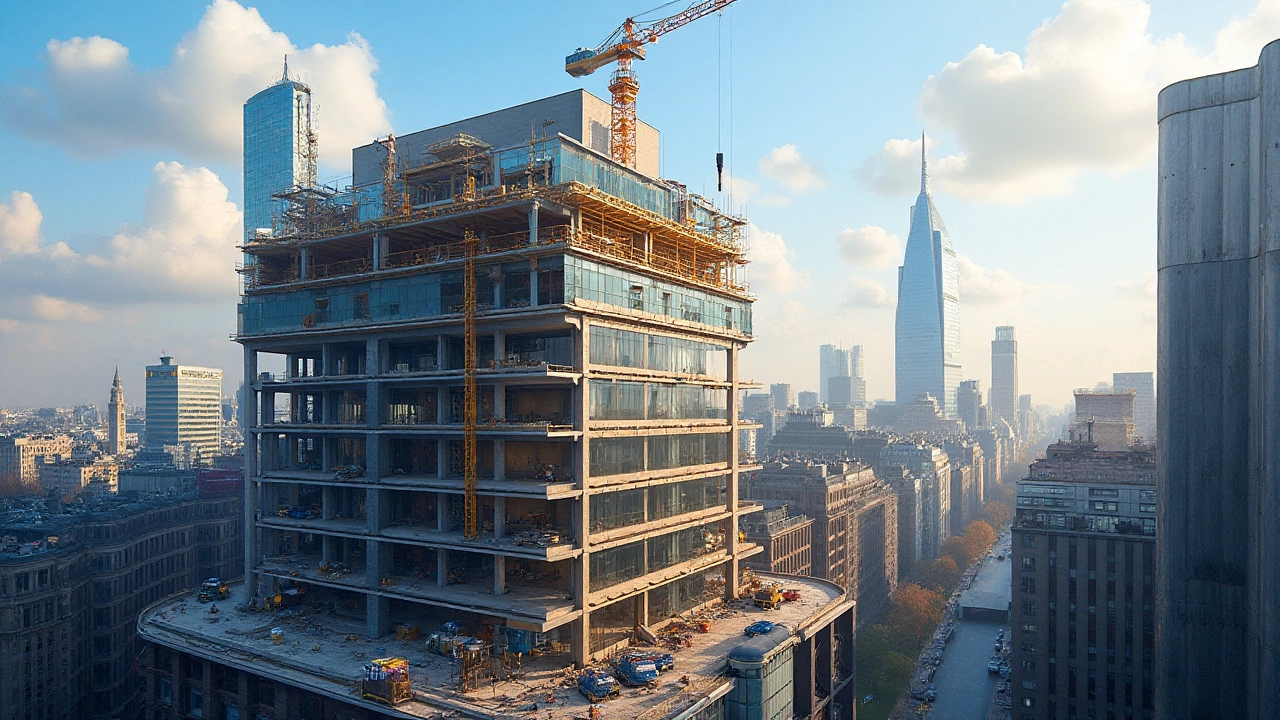
This article delves into the distinctive aspects of civil and commercial construction, shedding light on their unique purposes and characteristics. Civil construction typically involves infrastructure and public works, focusing on roads, bridges, and water systems, while commercial construction centers on buildings meant for business purposes like offices, shops, and restaurants. Key differences also include regulatory processes and project scale. Understanding these variations can aid in selecting the right type for specific needs.
read moreRecent Post
-
Different Types of Architectural Services Explained
Oct, 12 2025
-
Top 10 Common Construction Materials Used Today
Oct, 8 2025