DIY Foundation: What You Need to Know Before Starting Your Project
When you build a DIY foundation, a self-built base that supports a structure like a shed, garage, or even a home extension. Also known as self-built footing, it’s not just about pouring concrete—it’s about understanding soil, drainage, and load distribution to avoid costly mistakes. Many people think laying a foundation is just digging a hole and filling it with concrete. But a weak or poorly planned foundation can lead to cracks, sinking, or even structural failure down the line. In the UK, where ground conditions vary from clay-heavy soil in the south to sandy loam in the east, getting this right matters more than you’d think.
A concrete foundation, the most common type used in UK homes and outbuildings, made from reinforced cement mix is the go-to for most DIYers because it’s durable and widely available. But it’s not the only option. You might also run into foundation repair, the process of fixing damage like cracks, settling, or bowing walls caused by poor drainage or soil movement if your ground shifts after pouring. That’s why checking the soil type and water table before you start is critical. A foundation that looks fine in dry weather can crack within months if water pools underneath. And if you’re building something bigger than a garden shed, you’ll need to know whether your project falls under building regulations—or if you need a structural engineer’s sign-off.
DIY foundation projects often come up in conversations about saving money on home extensions or adding a workshop. But here’s the truth: most people who skip professional help end up spending more fixing errors than they saved. That’s not to say you can’t do it yourself—you absolutely can—but only if you know what you’re doing. Look at the posts below: one explains how horizontal foundation cracks signal serious pressure, another breaks down why foundation repair costs so much, and a third walks through what to look for when buying a home with foundation issues. These aren’t just theory—they’re real experiences from people who’ve been there. Whether you’re planning a small patio base or thinking about a full ground-floor extension, the advice here will help you avoid the traps most beginners walk straight into.
What you’ll find below isn’t a list of how-to guides—it’s a collection of hard-won lessons. From when to call in a pro, to how to spot early signs of trouble, to what materials actually last in UK weather, these posts give you the facts without the fluff. No marketing hype. No vague advice. Just what works—and what doesn’t—when you’re building something that’s meant to last.
How to Fix Foundation Problems Yourself: A Practical DIY Guide
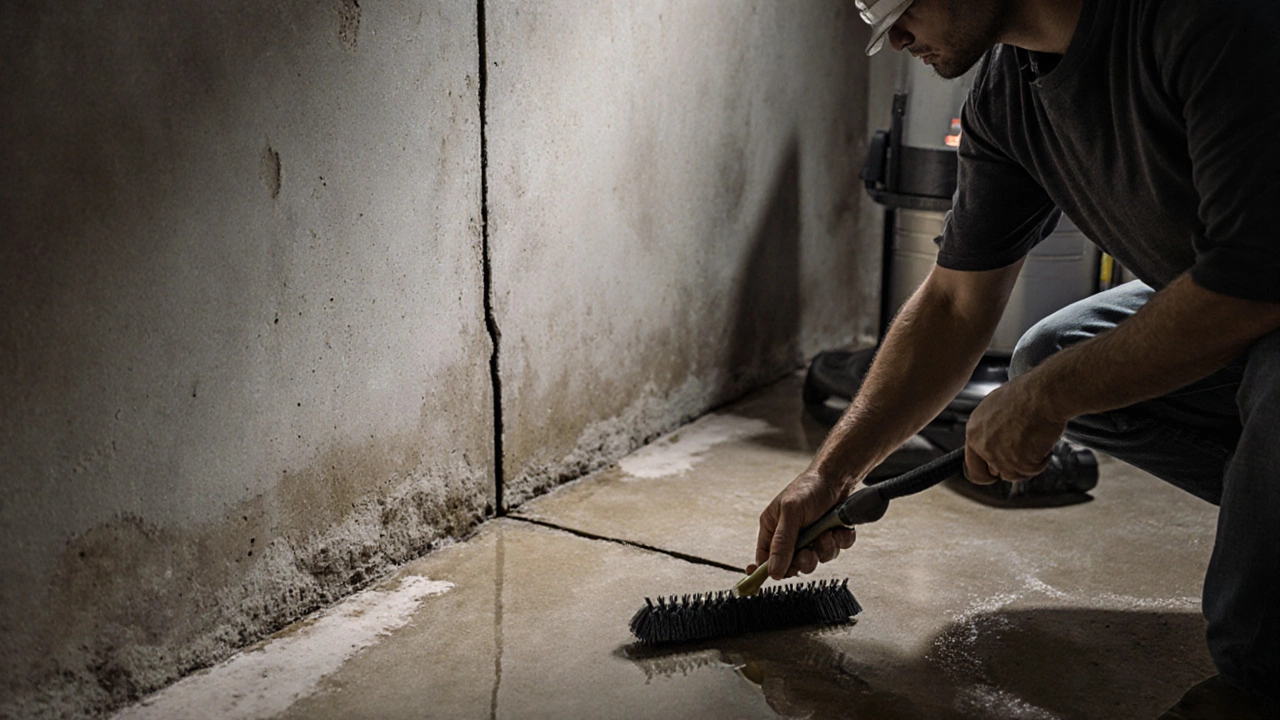
Learn how to fix common foundation cracks and water issues yourself in Halifax's harsh climate. Discover when DIY works, what tools to use, and how to prevent costly damage before it starts.
read moreRecent Post
-

Spotting Foundation Issues: What to Look For
Mar, 14 2025
-
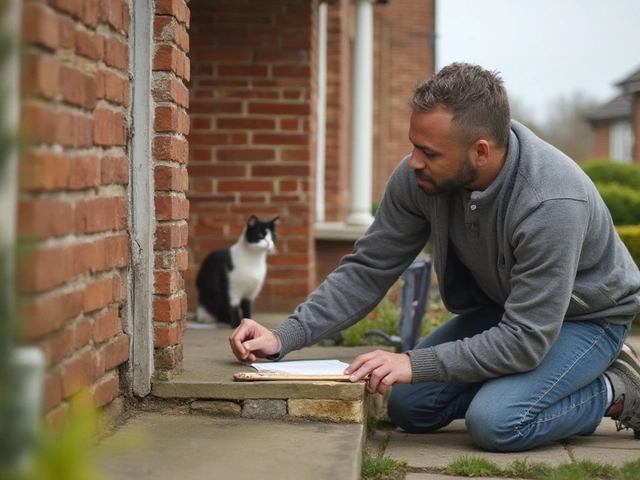
DIY Foundation Crack Repair: Can You Do It Yourself?
Dec, 31 2024
-

Defining Commercial Use in Construction Projects
Dec, 14 2024