Construction Career Earnings Calculator
Calculate Your Potential Earnings
See how much you could earn in construction based on your trade, location, and experience level
Estimated Annual Earnings
Your ResultsImportant Note: These estimates include standard overtime (1.5x for hours over 40/week). Actual earnings may vary based on project type, weather, and individual performance. Industry average is $59,000/year for skilled workers, with experienced professionals earning $100,000+.
Is building construction a good career? If you’re tired of sitting at a desk, sick of commuting for hours, or just want to see something you built with your own hands, then yes - it can be. But it’s not for everyone. This isn’t about getting rich quick. It’s about steady pay, physical work, and real skill. And in 2025, the demand for skilled construction workers is higher than it’s been in decades.
What You’ll Actually Do Every Day
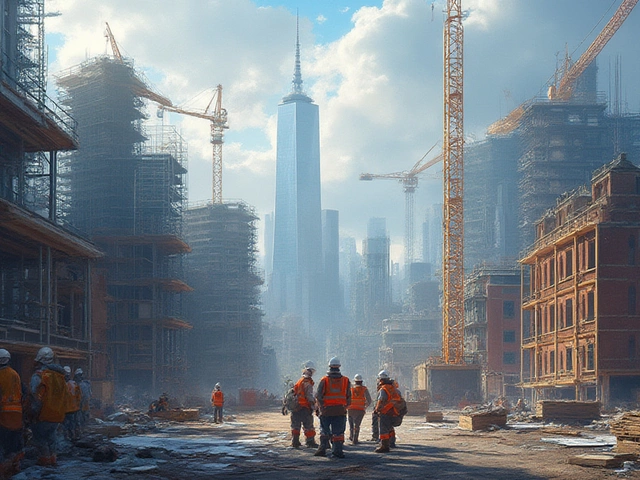
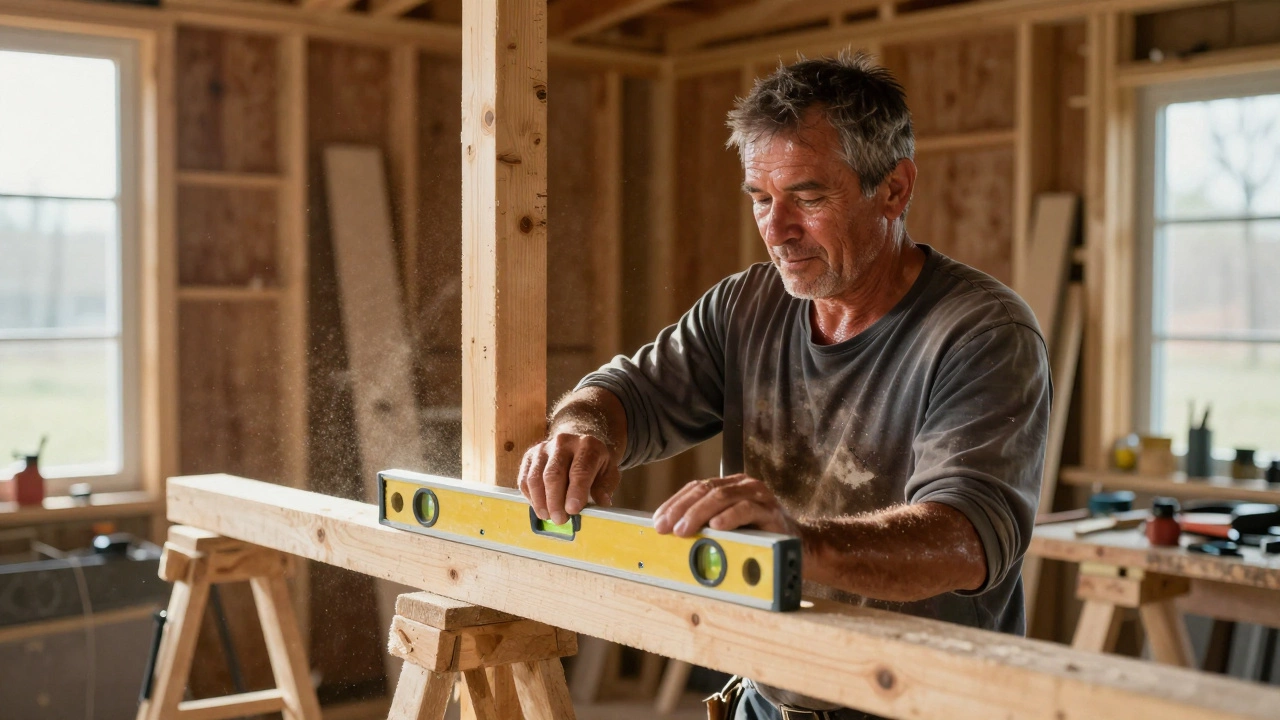
Most people think construction means swinging a hammer all day. That’s only part of it. On a typical job site, you might be reading blueprints, operating a crane, installing electrical conduits, pouring concrete, or fitting drywall. You’re not just following orders - you’re solving problems on the fly. A wall won’t line up? You adjust. A beam is off by half an inch? You fix it before the next crew shows up.
There are dozens of roles: carpenters, electricians, plumbers, ironworkers, masons, equipment operators, and laborers. Each has its own path. You don’t need a college degree. You need hands-on training. Most start as helpers or apprentices. After 2-5 years, you become a journeyman. That’s when your pay jumps - often by 50% or more.
How Much Can You Really Make?
In 2025, the average hourly wage for a skilled construction worker in the U.S. is $28.50. That’s $59,000 a year before overtime. But that’s just the baseline. Electricians in cities like Chicago or San Francisco make $45-$60 an hour. Union pipefitters in New York hit $70 an hour with benefits. Roofers working in hot climates earn bonuses for weekend jobs. Overtime isn’t optional - it’s expected, and it pays well.
And here’s the kicker: you don’t need to be a manager to make six figures. A senior carpenter with 10+ years of experience working on high-end homes or commercial projects regularly clears $100,000 a year. No student loans. No MBA. Just sweat, skill, and consistency.
The Physical Toll - It’s Real
Construction isn’t a job you can do at 60. Your knees, back, and shoulders take a beating. You’ll wake up sore. You’ll get blisters, bruises, and maybe a broken bone. Heat exhaustion in summer. Frostbite in winter. You’ll carry 50-pound bags of cement up ladders. You’ll climb scaffolding in the rain.
But here’s what most people don’t say: the industry is getting smarter. Tools are lighter. Safety gear is better. Exoskeletons are now used on some sites to reduce back strain. Companies are hiring occupational therapists to help workers stay on the job longer. You can’t avoid physical stress - but you can manage it.
Many workers shift roles as they age. A 50-year-old carpenter might become a foreman. A 55-year-old electrician might train apprentices. The skills you build last. You don’t just burn out - you evolve.
Job Security? Yes. But Not Everywhere
The U.S. Bureau of Labor Statistics predicts over 700,000 new construction jobs by 2030. Why? Aging infrastructure. Housing shortages. Government infrastructure bills. Renewable energy projects. Solar panel installations alone will need 100,000 more workers by 2030.
But location matters. Rural areas don’t have enough work. Big cities like Atlanta, Phoenix, and Austin are booming. States with new housing laws - like California and Minnesota - are pushing for more affordable homes. That means more construction. If you’re willing to move, you’ll find work. If you stay put in a shrinking town? You might struggle.
Union jobs offer more stability. Non-union gigs can be hit-or-miss. But even non-union workers are seeing longer contracts. Builders are desperate. They’re offering signing bonuses, paid training, and even housing stipends.
How to Get Started - No Experience Needed
You don’t need a degree. You don’t even need a high school diploma in some states - but it helps. Here’s how most people start:
- Apply for an apprenticeship through a union (like the International Brotherhood of Electrical Workers) or a local trade school.
- Take a prep course at a community college - many offer 12-week programs in carpentry or electrical basics.
- Work as a laborer for a small contractor. Just show up early, work hard, and learn.
- Get your OSHA 10-hour certification. It’s free in many states and required on most sites.
Some companies even pay you while you train. The National Association of Home Builders runs a program where apprentices earn $15-$20/hour while learning, then move up to $30+/hour after 3 years.
Who Should Avoid This Career
Not everyone should do this. If you hate being outside in all weather - skip it. If you can’t stand working in dust, noise, and chaos - don’t go near a job site. If you need a 9-to-5 schedule with predictable weekends - construction won’t give you that. Projects run on deadlines. Rain delays? You work extra hours later. Holidays? You might be working Christmas Eve if it’s a big commercial job.
And if you’re looking for a career where you sit in an office and talk to clients? Construction isn’t that. You’re hands-on. You’re on the ground. You’re covered in sawdust or mud. That’s the point - but it’s not for everyone.
What’s Next? The Future of Construction
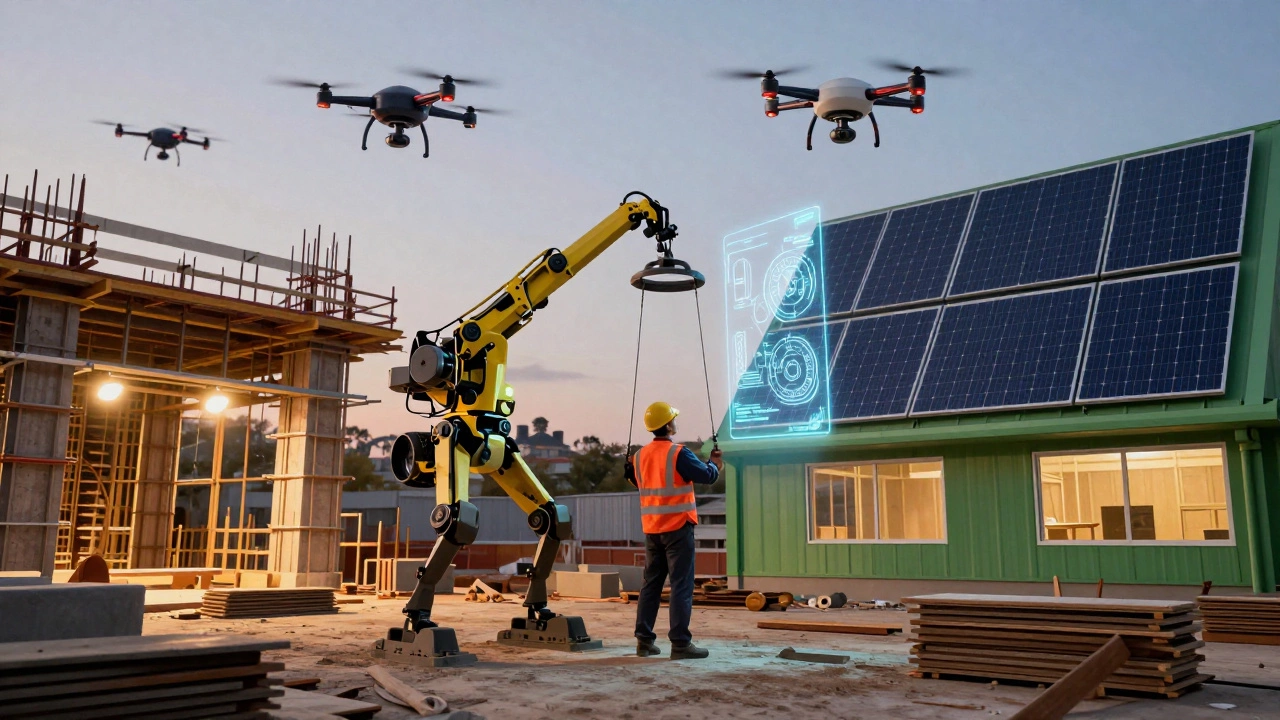
Technology is changing the game. Drones now survey sites. Tablets replace paper blueprints. BIM (Building Information Modeling) lets you see a 3D version of the whole building before a single brick is laid. Workers who learn to use these tools earn more. The best carpenters today aren’t just strong - they’re tech-savvy.
Green construction is booming. Insulation installers, solar panel framers, and energy auditors are in high demand. The Inflation Reduction Act poured billions into home energy upgrades. That means more work for skilled tradespeople who know how to install heat pumps, smart thermostats, and high-efficiency windows.
Construction isn’t disappearing. It’s upgrading. The workers who adapt - who learn new tools, new materials, new systems - will thrive. Those who stick to the old ways? They’ll get left behind.
Final Verdict: Is It Worth It?
Is building construction a good career? If you want steady pay, real skills, and the pride of creating something lasting - yes. It’s one of the few careers where you can start at 18 with no debt and be making $70,000 by 25. You don’t need a scholarship. You don’t need a loan. You need grit, a willingness to learn, and the ability to show up every day.
It’s not glamorous. It’s not easy. But it’s honest work. And in a world full of remote jobs and digital screens, there’s something powerful about building something that lasts - with your own two hands.