Build a House: Essential Materials, Costs, and Common Mistakes
When you decide to build a house, the process of creating a custom home from the ground up, often involving planning, permits, and skilled labor. Also known as custom home construction, it’s not just about picking paint colors—it’s about understanding the structure beneath it all. A house isn’t just walls and a roof. It’s a system: the foundation, the base that supports the entire structure, often made of concrete or stone, and critical to long-term stability holds everything up, the construction materials, the physical components like limestone, steel, brick, and engineered wood used to build the structure determine how long it lasts, and the building contractor, a licensed professional who manages the project, pulls permits, and ensures code compliance makes sure it’s done right. Skip any of these, and you’re not saving money—you’re risking your investment.
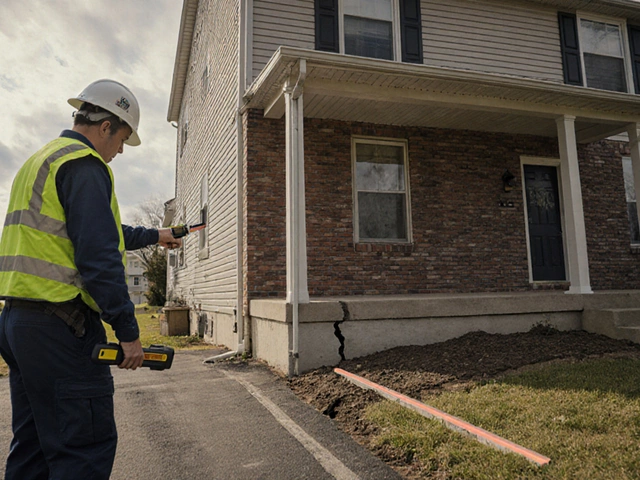
Most people think building a house is about style. But the real decisions happen before the drywall goes up. Are you building a residential, a home designed for personal or family living, governed by different codes and financing than commercial projects house or something that leans toward commercial standards? The difference isn’t just size—it’s permits, insurance, and how lenders see it. And if you’re thinking about buying land and starting from scratch, you need to know what happens when the soil shifts. Horizontal foundation cracks aren’t just ugly—they’re a warning sign of pressure from water or poor soil. That’s not a DIY fix. It’s a job for a structural engineer. The same goes for choosing materials. Some builders go cheap on lumber, only to deal with mold in year two. Others use the wrong type of concrete and crack within five years. The most durable homes? They use proven materials like limestone, steel frames, or solid brick—not whatever’s on sale. And don’t assume a contractor is qualified just because they have a truck and tools. A real building contractor holds a license, carries insurance, and can pull permits. Unlicensed workers might save you $5,000 upfront, but they’ll cost you $50,000 later in repairs.
Building a house isn’t a race. It’s a series of smart choices. The right foundation. The right materials. The right team. And if you skip the research, you’re not cutting corners—you’re building on sand. Below, you’ll find real guides from people who’ve been there: how to spot foundation problems before you buy, why commercial mortgage rates are higher, what materials last the longest, and how to hire a contractor who won’t vanish after the deposit. These aren’t theory pieces. They’re checklists, cost breakdowns, and red-flag warnings from actual builds. Whether you’re planning your first home or just trying to avoid a nightmare, this collection gives you the facts you need—no fluff, no sales pitch, just what works.
Is It Financially Smart to Build a House? Real Costs and Hidden Risks in 2025
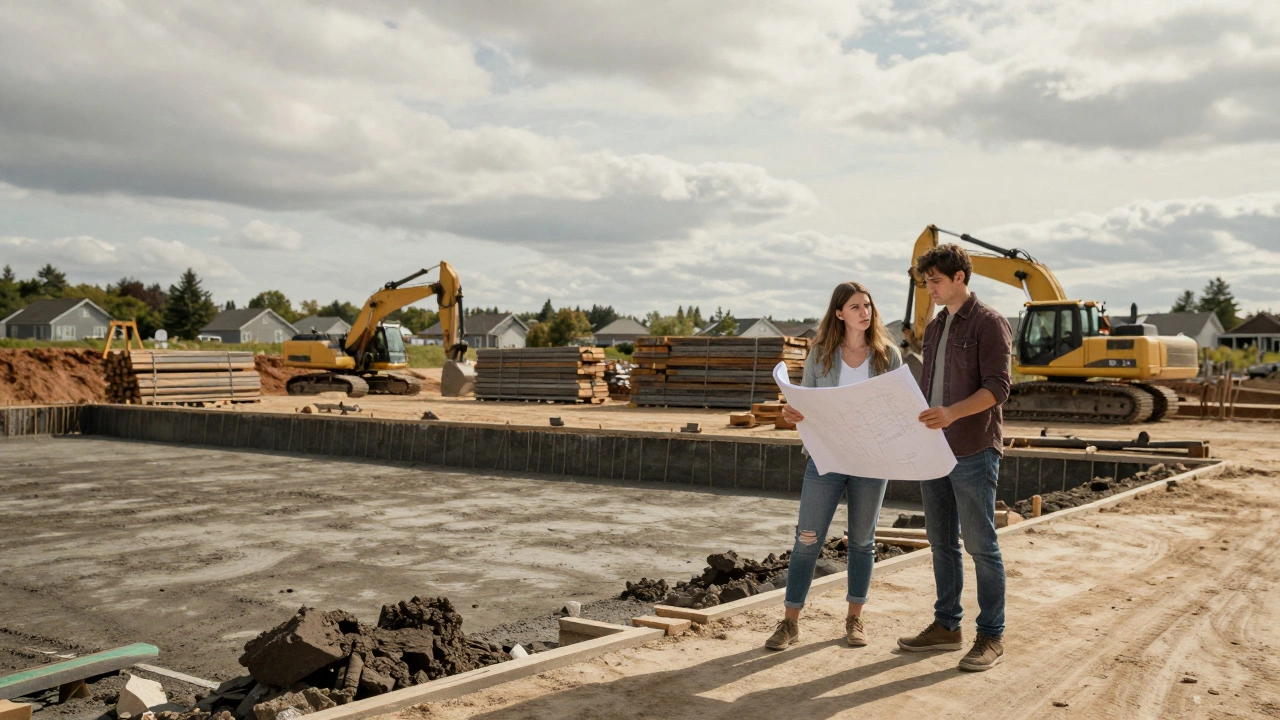
Building a house in 2025 costs far more than most expect. In Halifax, new builds require $750K-$1.2M when land, permits, and living expenses are factored in. Buying existing homes is often the smarter financial move.
read moreIs It Financially Smart to Build a House? Costs, Risks, and Real Returns in 2025
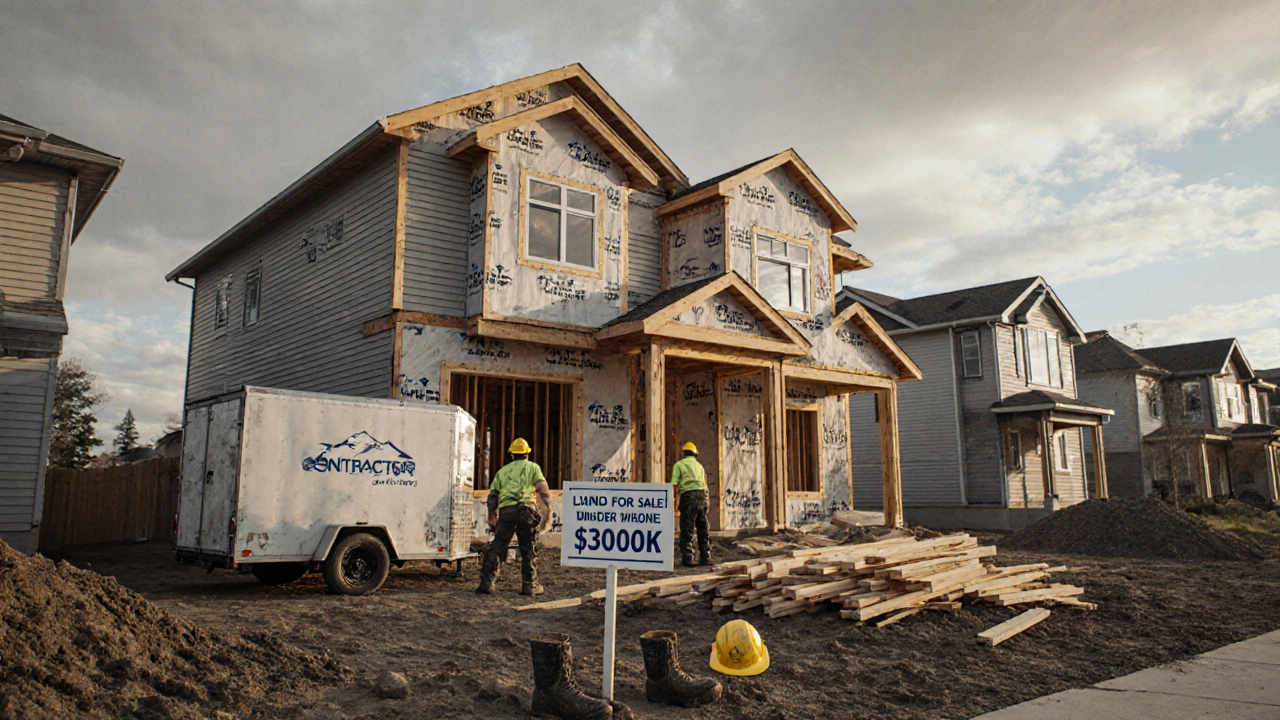
Building a house in 2025 costs more than buying one, with hidden fees, long delays, and low resale returns. Learn why buying new is smarter for most people in Halifax.
read more