New Builds – Essential Materials & Expert Tips
If you’re starting a new build, the right materials can make all the difference. Using locally sourced limestone and other quarry products not only saves money on transport but also gives your project a strong, durable foundation. Below are the key things to think about when you plan your build, from choosing the right stone to avoiding common pitfalls.
Why Choose Local Quarry Materials?
Local stone is fresh, so it arrives on site ready to use. That means less waiting time and fewer surprises with moisture content or strength variations. Limestone from Lime Hillock is known for its consistent quality, making it ideal for foundations, walls, and decorative features. Because it’s cut nearby, you also cut down on carbon emissions – a win for the planet and for your budget.
Practical Tips for a Smooth New Build
Start with a clear material list. Talk to your builder about the exact type of limestone you need for each part of the structure. Knowing whether you need a load‑bearing block or a lighter decorative slab helps avoid last‑minute swaps.
Next, schedule deliveries early in the day. That gives the crew plenty of time to unload and position the stones before weather changes. If you’re in a rainy region, ask the quarry for a moisture‑resistant option or apply a sealant right after installation.
Don’t forget about drainage. Even the best stone can suffer from water buildup if the ground isn’t properly graded. A simple French drain or a slight slope away from the foundation can prevent future mold problems – something many new‑build owners discover too late.
When it comes to interiors, many new builds wonder whether flooring is included. Most developers leave flooring up to the buyer, but you can often source high‑quality limestone tiles at a lower price than imported porcelain. They’re easy to clean and add a premium look without the extra cost.
Finally, keep an eye on the warranty. Using certified local materials usually qualifies you for longer coverage from the builder. Keep all invoices from Lime Hillock or any other supplier, because they’ll be handy if you need to make a claim later.
By planning ahead, choosing reliable local stone, and paying attention to drainage and warranties, you set your new build up for success. The result is a sturdy home that looks great and stays comfortable for years to come.
Is It Currently Cheaper to Build or Buy a Home in 2025?
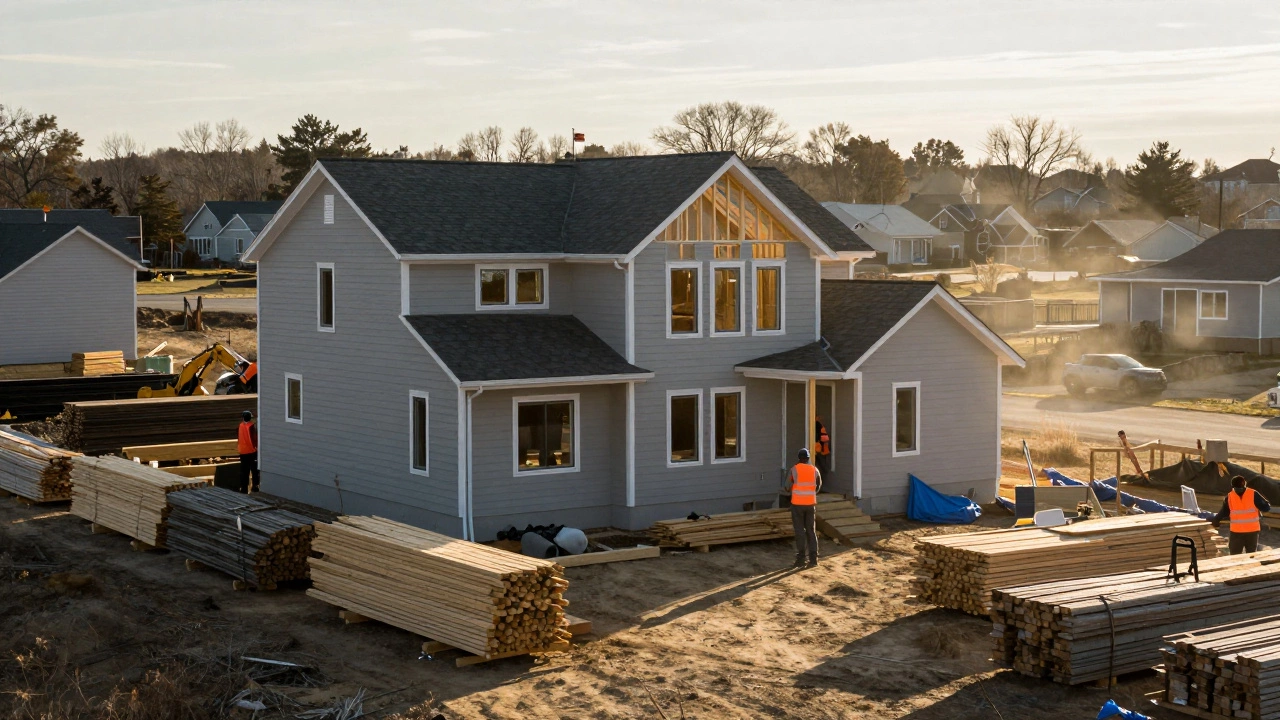
In 2025, building a new home in Halifax may cost more upfront than buying an older one, but lower maintenance, energy savings, and warranties make it the smarter long-term choice for those who can wait.
read moreIs It Financially Smart to Build a House? Real Costs and Hidden Risks in 2025
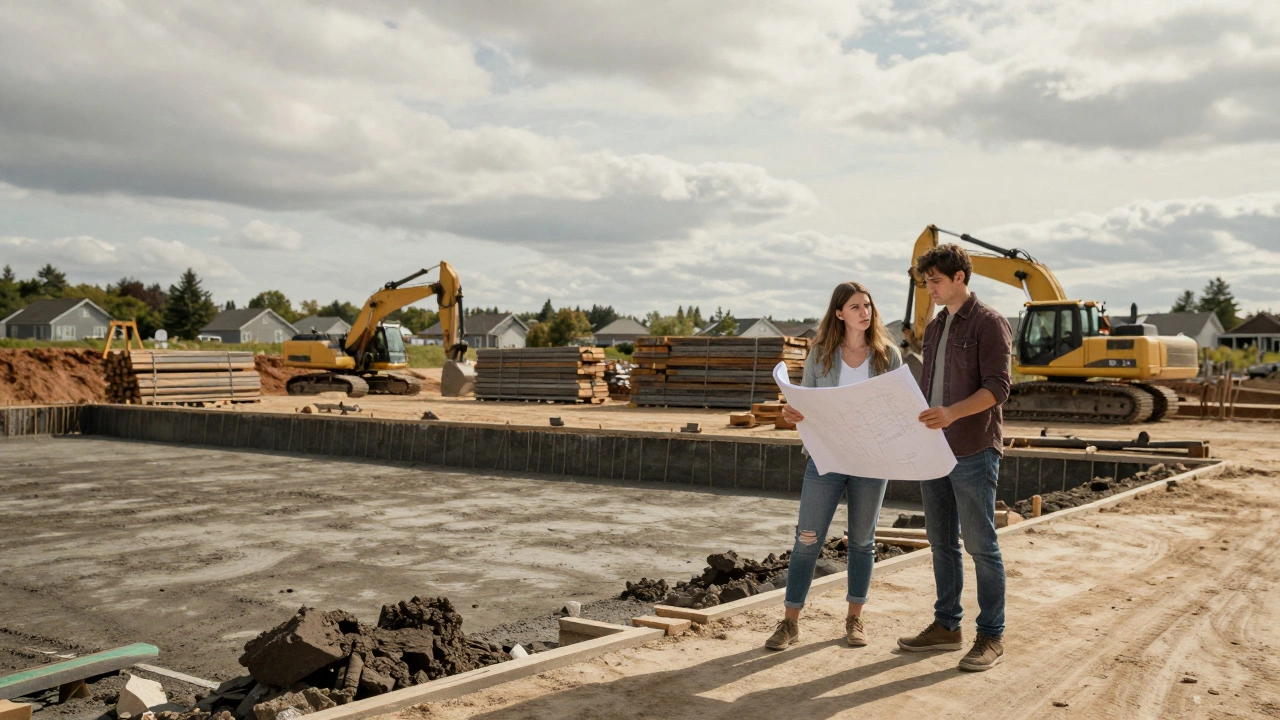
Building a house in 2025 costs far more than most expect. In Halifax, new builds require $750K-$1.2M when land, permits, and living expenses are factored in. Buying existing homes is often the smarter financial move.
read moreWhat Are the Most Common Building Defects in New Builds?

New builds often hide serious defects like water leaks, poor insulation, and electrical errors. Learn the most common issues in new homes and how to catch them before it's too late.
read moreAre New Builds Durable? What Really Holds Up Over Time
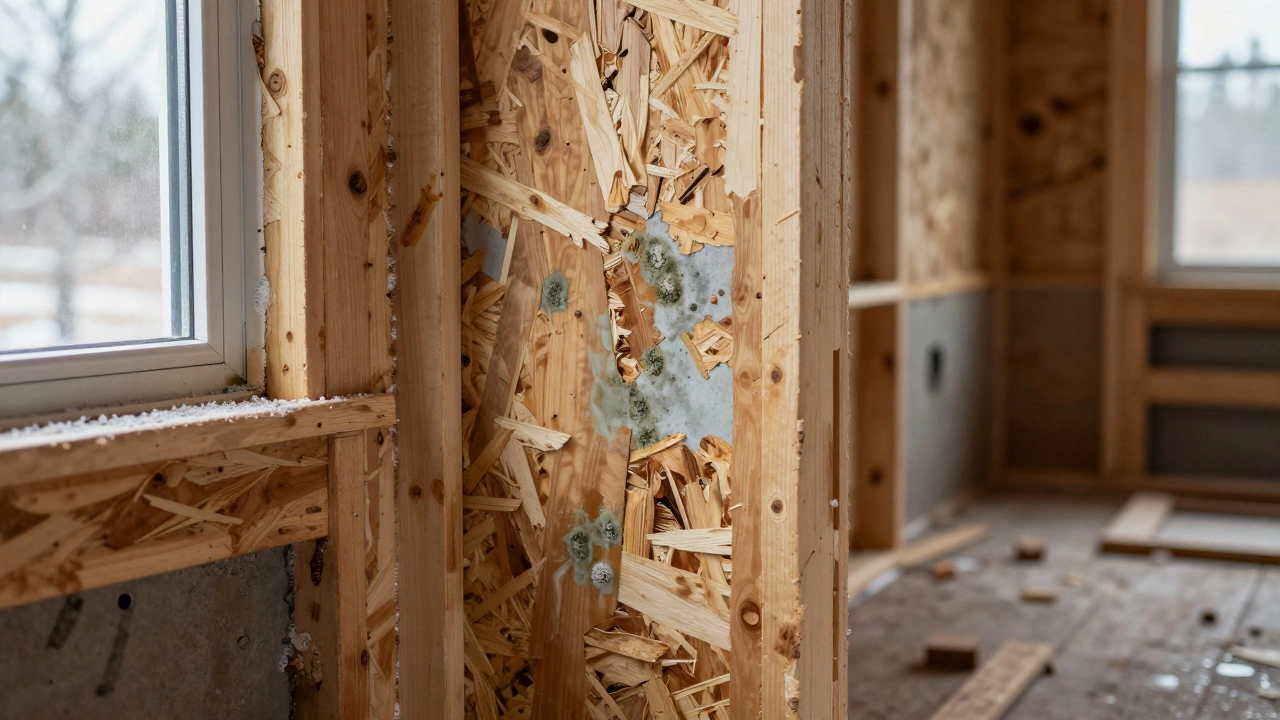
New builds aren't automatically durable. Their longevity depends on builder quality, materials, and construction details-not just the year they were built. Here's what actually holds up over time.
read moreDo New Builds Come With a TV? What’s Actually Included in a New Home

New builds don't include TVs. Learn what actually comes with a new home, why TVs are left out, and how to prepare for your own TV installation with proper wiring and planning.
read moreIs It Cheaper to Build Than Buy a Home in 2025?
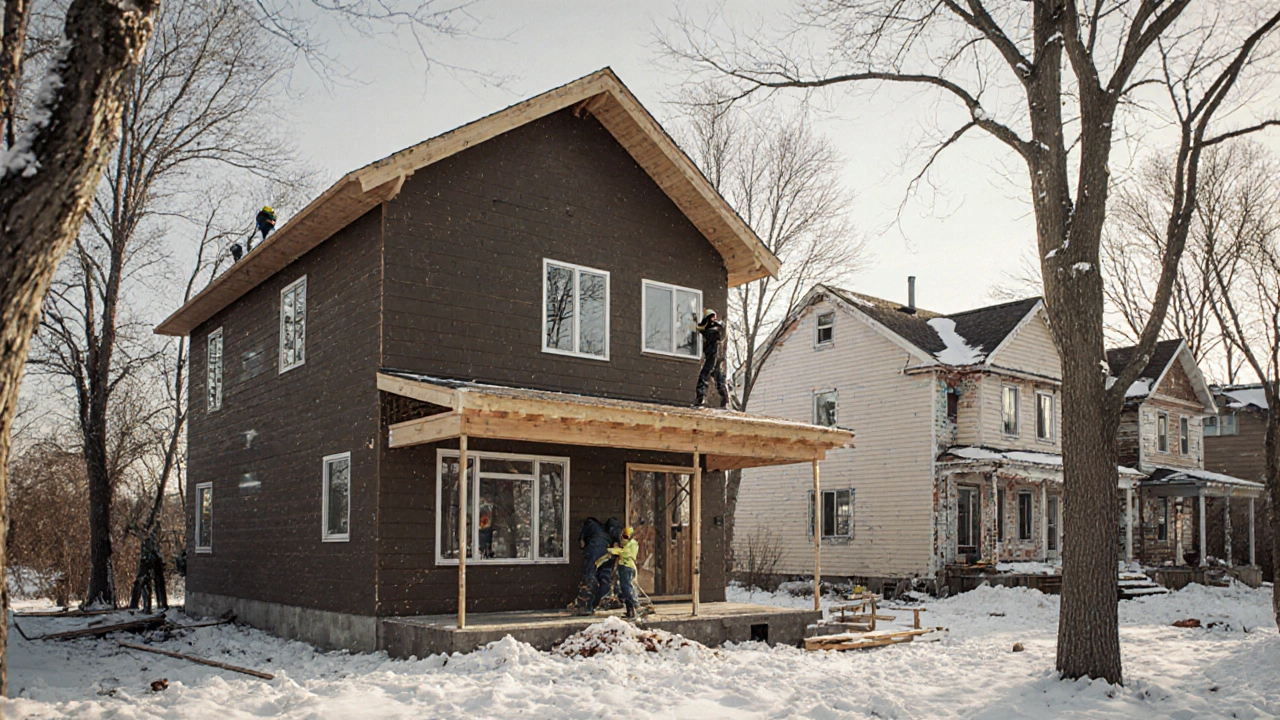
In 2025, building a new home in Nova Scotia can be cheaper than buying an older resale house - especially when you factor in hidden repair costs and energy savings. Here's how the numbers add up.
read moreWho Is the #1 Home Builder in the USA? 2025 Rankings and What Sets Them Apart

D.R. Horton is the #1 home builder in the USA, delivering over 80,000 homes annually. Learn why they lead the market, how they compare to Lennar and PulteGroup, and what to look for when choosing a new home builder.
read moreIs It Financially Smart to Build a House? Costs, Risks, and Real Returns in 2025
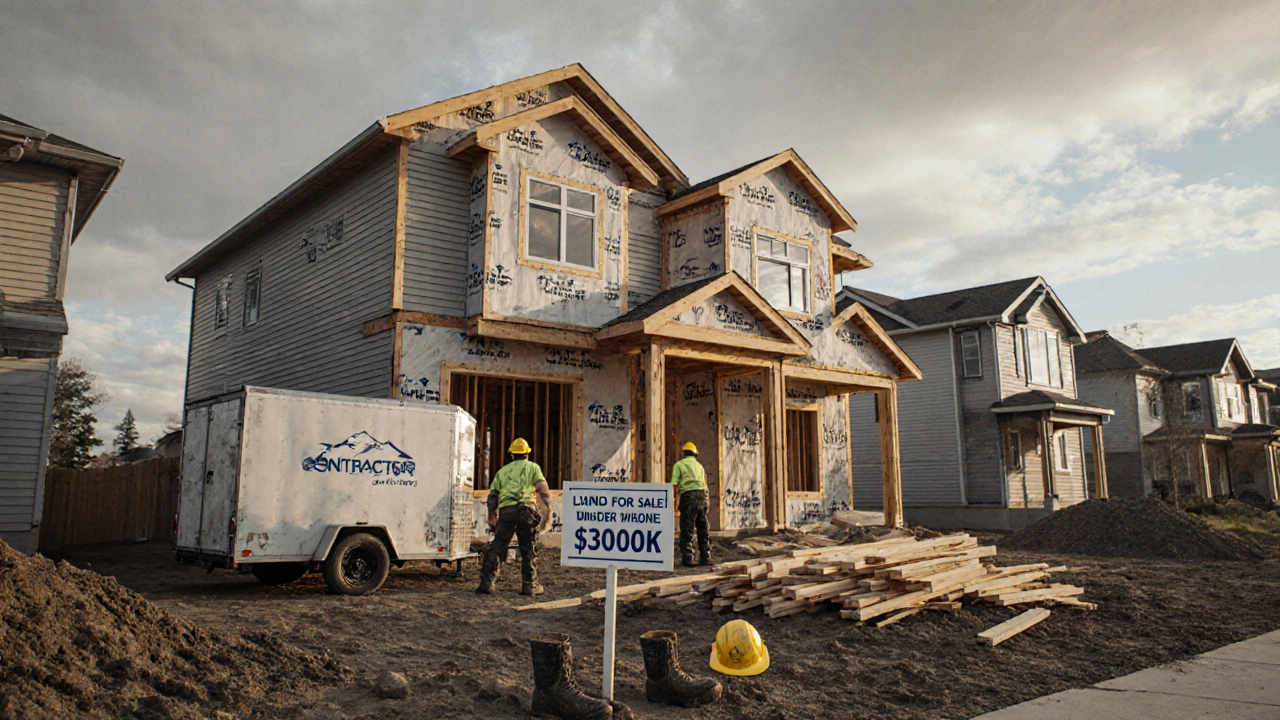
Building a house in 2025 costs more than buying one, with hidden fees, long delays, and low resale returns. Learn why buying new is smarter for most people in Halifax.
read moreWhat’s the Expected Lifespan of a New Building?
Discover how long a new building should last, the factors that influence its lifespan, and practical maintenance tips to extend its service life.
read moreWall‑Mounting a TV in a New Build: What You Need to Know
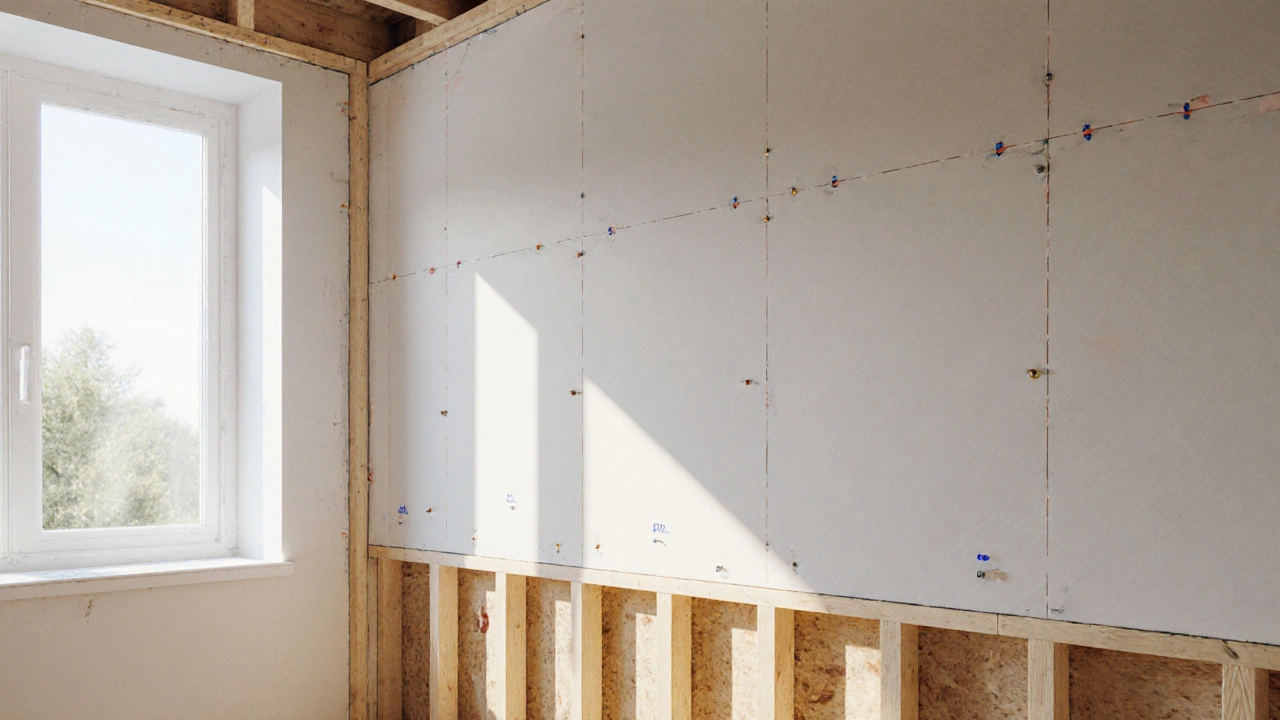
Learn how to safely mount a TV on the wall of a new‑build home. From finding studs and meeting building codes to wiring and choosing the right mount, this guide covers every step.
read moreCan New Construction Homes Develop Mold?

New homes can still develop mold if moisture sneaks in. Learn why it happens, how to spot early signs, and practical steps to prevent and fix mold in a brand‑new build.
read moreCan I Paint a New Build? Essential Guide for Homeowners
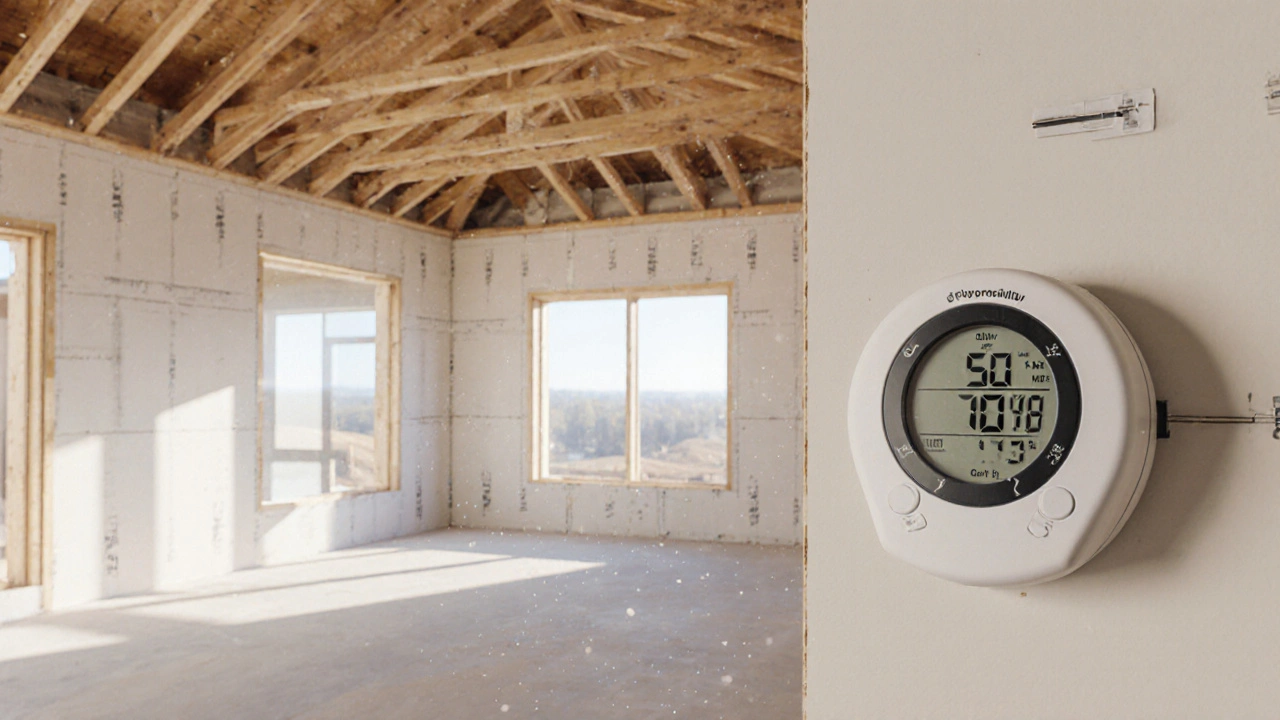
Learn if and when you can safely paint a new build, covering moisture testing, prep steps, paint selection, warranty tips, and common pitfalls.
read moreRecent Post
-
What Are Roof Workers Called?
Apr, 5 2025
-
Who Is Considered a Contractor in Construction?
Oct, 28 2025